Rob-in-Hood Digital Rob-in-Hood Digital

Course Tracks · San Francisco

Three pathways · self-paced · hands-on labs

A quiet row of study carrels in a computer lab, lit by cool morning daylight, where hands-on IT course work happens

Cybersecurity · DevOps · AI — compared here

Course Tracks

Three learning pathways, laid out side by side. Compare what each track teaches, how much hands-on lab time it carries, and which entry level it assumes — then pick the one that matches the role you are working toward.

  • 12–16 modules per track
  • Weekly lab work, not slide review
  • One target role per path

Three tracks, one ledger

Every row below is a real difference you can weigh before you enroll. Nothing here is a ranking — it is the same information our advisors walk through on a first call, written down so you can compare it on your own time.

Track one

Cybersecurity

Starts with how networks and operating systems actually behave, then moves into monitoring, access control, and incident response practice on isolated lab machines. Built for people heading toward a security analyst seat.

Entry level
Little to no IT background
Modules
16
Lab emphasis
High
Target role
Security analyst
Review the track

Track two

DevOps & Cloud

Covers version control, automated build and test pipelines, containers, and cloud deployment basics. You spend most of the track pushing working changes through a pipeline you set up yourself.

Entry level
Comfortable with a command line
Modules
14
Lab emphasis
Very high
Target role
Cloud or platform engineer
Review the track

Track three

AI & MLOps

Starts from Python and data handling, then works through model training, evaluation, and the deployment and monitoring habits that keep a model useful after launch. Expect more math reading than the other two tracks.

Entry level
Some Python experience
Modules
15
Lab emphasis
High
Target role
ML or MLOps engineer
Review the track

Start where you actually are

The tracks are written to overlap at the edges, so a wrong first guess is recoverable. If you can read a file path and open a terminal without help, you are ready for DevOps & Cloud or AI & MLOps. If those words still feel abstract, Cybersecurity is the better door — it assumes no prior IT work and builds the vocabulary first.

You can move between tracks after the first module. Learners who switch most often go from Cybersecurity into DevOps & Cloud, once they find they like the automation side more than the monitoring side. That switch costs no extra tuition and keeps your completed lab work.

Hands on a keyboard beside a notebook on a dark desk, the everyday setup of a learner working through an IT track

Switch anytime

Module one of every track is short by design. It exists so you can test the fit before you commit weeks to a direction.

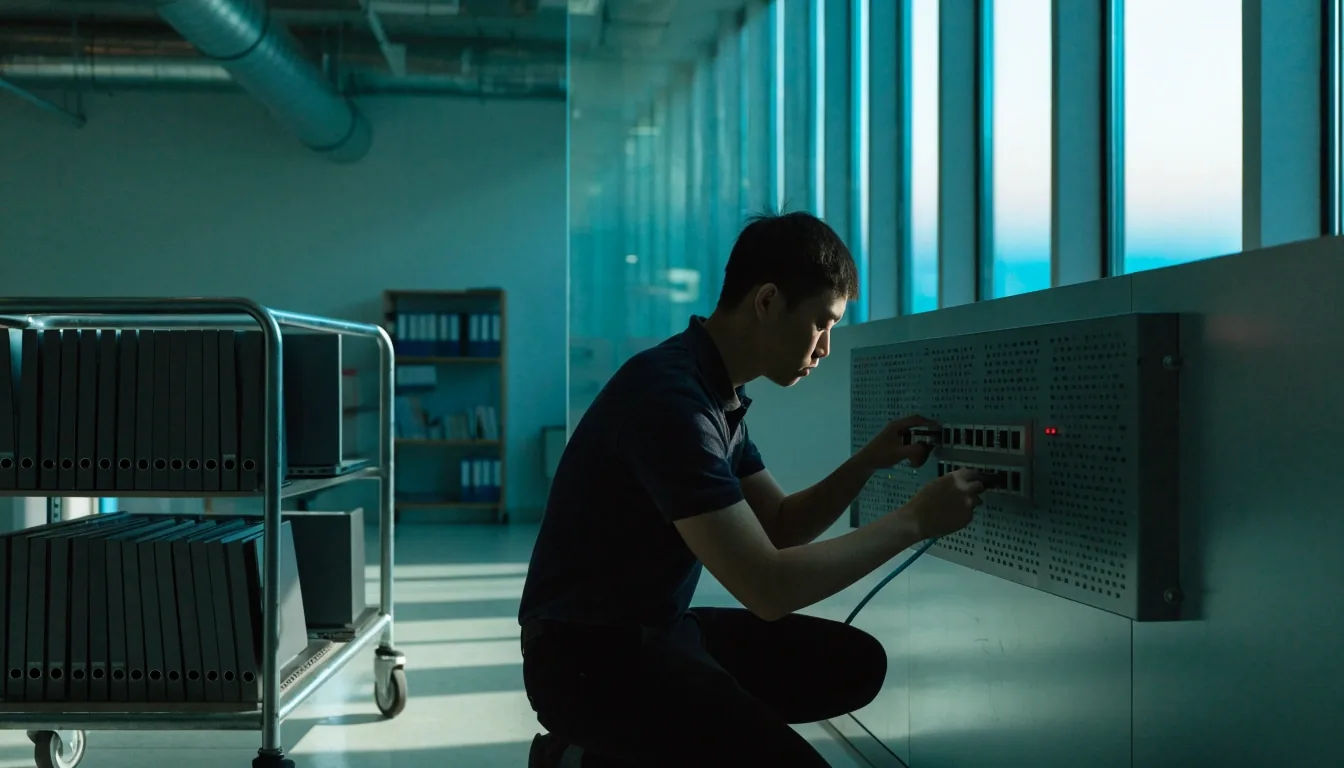
A rack of network equipment and tidy cabling in a dim server room, the kind of hands-on environment covered in the DevOps and cybersecurity labs

What lab time actually means here

Each module ends with a task you complete on a real machine — a container you build and run, a network you map, a model you train and then check. You keep the environment and the notes after the module closes.

Lab time is the main reason the tracks take weeks rather than days. Plan on roughly one evening per module if you are working full time, and more if the module introduces a tool you have never touched.

Work at your own pace

How to choose between them

Three questions settle it for most people. Answer them honestly and the comparison above stops being a comparison.

Question one

Which tools can you already use?

If a terminal is unfamiliar, Cybersecurity. If you have used Git or written a script, DevOps & Cloud. If you have written Python and read a dataset, AI & MLOps.

Question two

Which daily work do you want?

Watching systems and responding to what changed points to Cybersecurity. Building and shipping the systems points to DevOps. Turning data into a working model points to AI.

Question three

How much time each week?

Under five hours a week, take the shorter DevOps or AI track. Ten hours or more and any of the three fits comfortably alongside a full-time job.

What every track includes

Same structure, different syllabus

The three tracks are built on one course format, so comparing them is fair. Each module opens with a short written lesson, moves to a guided lab, and closes with an unguided task you submit for written feedback.

  • Written lesson notes you can keep after the course
  • Guided lab, then an unguided task per module
  • Feedback on submitted work, not just a pass or fail
  • One advisory call to plan the order you take modules in
See how the courses are built
Empty classroom rows lit by cool daylight, the study setting where the academy's tracks are taught

One course format

Questions before you pick

The things people ask us most often when they are standing between two tracks. If yours is not here, the contact page reaches a real advisor during business hours.

Can I take two tracks at the same time?

You can, though most learners do not. The lab load doubles, and the modules in DevOps and AI both assume you are practicing regularly. A common pattern is finishing Cybersecurity first, then starting AI & MLOps with the groundwork already in place.

Do the tracks prepare me for a certification exam?

They are written to build the working knowledge those exams test, and several modules map to topics you will meet on vendor exams. We do not issue certifications and we do not promise an exam result. If a specific exam matters to your employer, tell your advisor at the start and they will point out which modules are relevant.

What happens if I choose the wrong track?

You move. Switching between tracks is free, your completed modules carry over, and the shared first module means you are rarely starting from nothing. The only thing you lose is the time already spent on modules that do not transfer.

How long does a track usually take?

It depends on your weekly hours, not on a fixed calendar. A learner putting in one evening per module finishes a track in a few months; someone studying daily moves faster. Because the modules unlock in order, you always know exactly how much is left.

Do I need my own equipment?

A laptop made in the last five years and a stable connection are enough. The lab environments run remotely, so the heavy work does not happen on your machine. If you are unsure whether your setup is sufficient, ask before enrolling.

Still deciding? Ask before you enroll

Advisors answer track-fit questions Monday to Friday, 9:00 AM to 6:00 PM. Tell them what you already know and what role you are aiming at, and they will name the track that fits — including when the honest answer is to start with the shortest one.

Contact Continue

452 Tech Plaza, Suite 300, San Francisco, CA 94105 · +1-415-555-0192